Nihdin Torni
Property Marketing for Helsinki's Most Expensive Address
Selling luxury in Helsinki

Thirty-two million euros. Sixteen storeys. Twenty-nine apartments on the Helsinki seafront, one of the most expensive addresses in the city at the time.
The kind of asset that shows up once a cycle in a Nordic capital and gets argued about in every brokerage in town for the next three years.
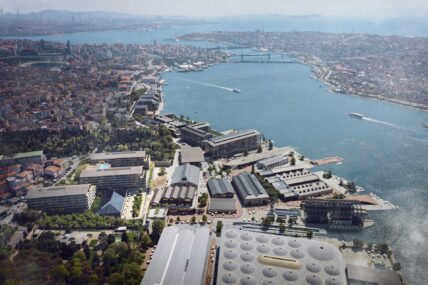
The building came in carrying real signal: part of the award-winning “Luoto” proposal selected by the City of Helsinki for the development of the Nihti block, energy class A, per-apartment water monitoring, and a façade shaped by the area’s former harbour character, recognizable from across the bay.
But substance doesn’t sell itself to a buyer comparing this against Stockholm, Munich, and Copenhagen. That’s where the marketing has to do work.
Not a typical Finnish apartment
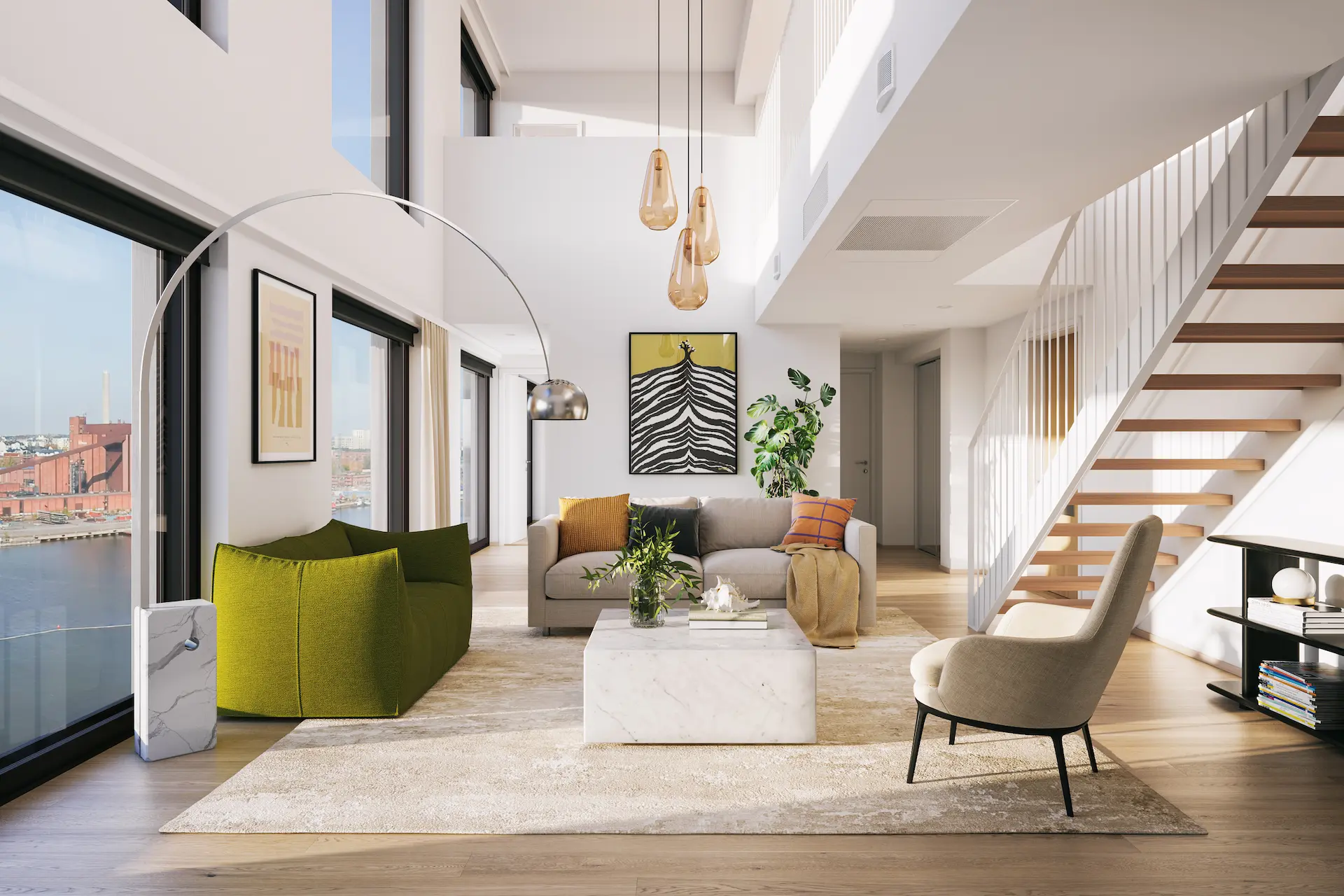
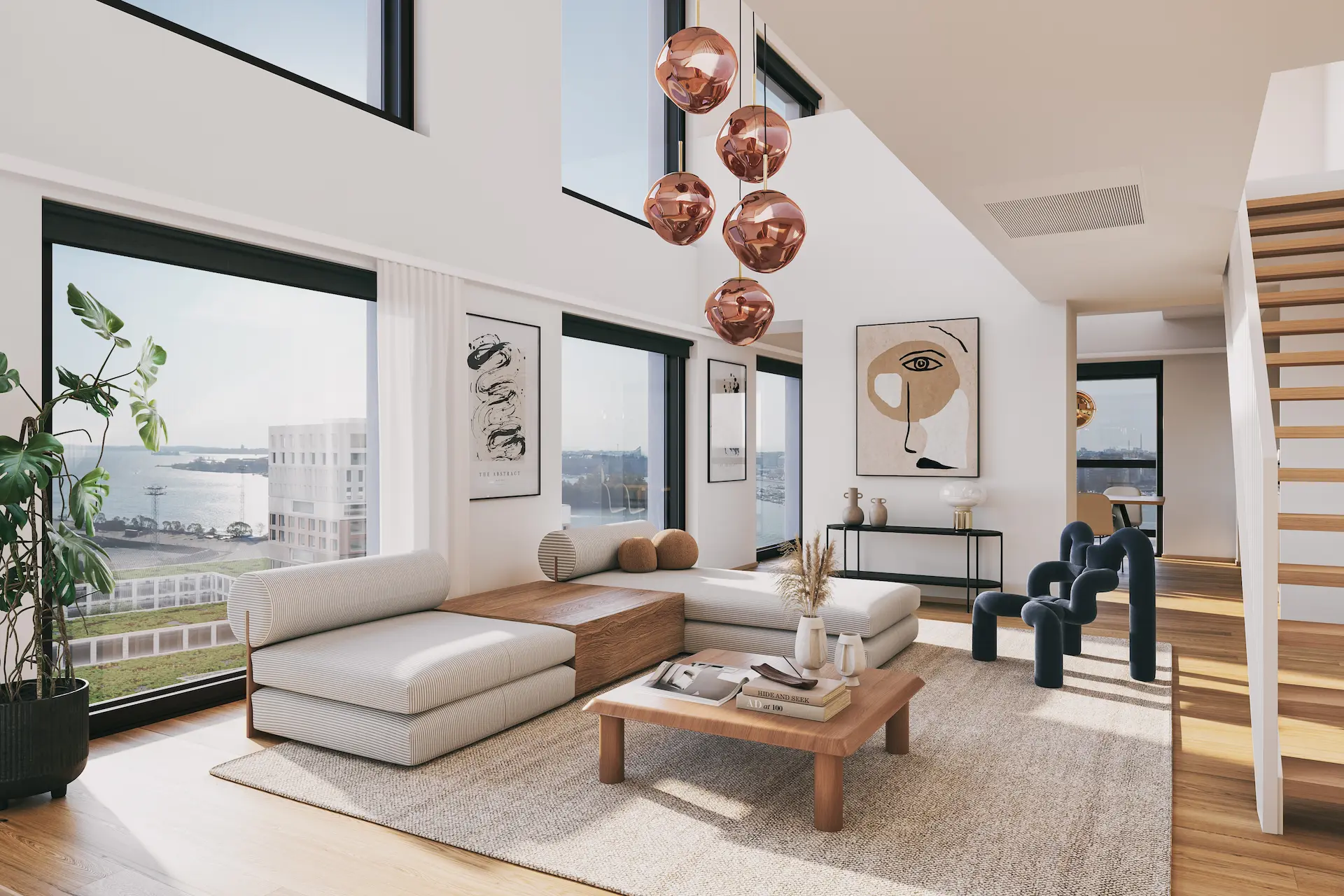
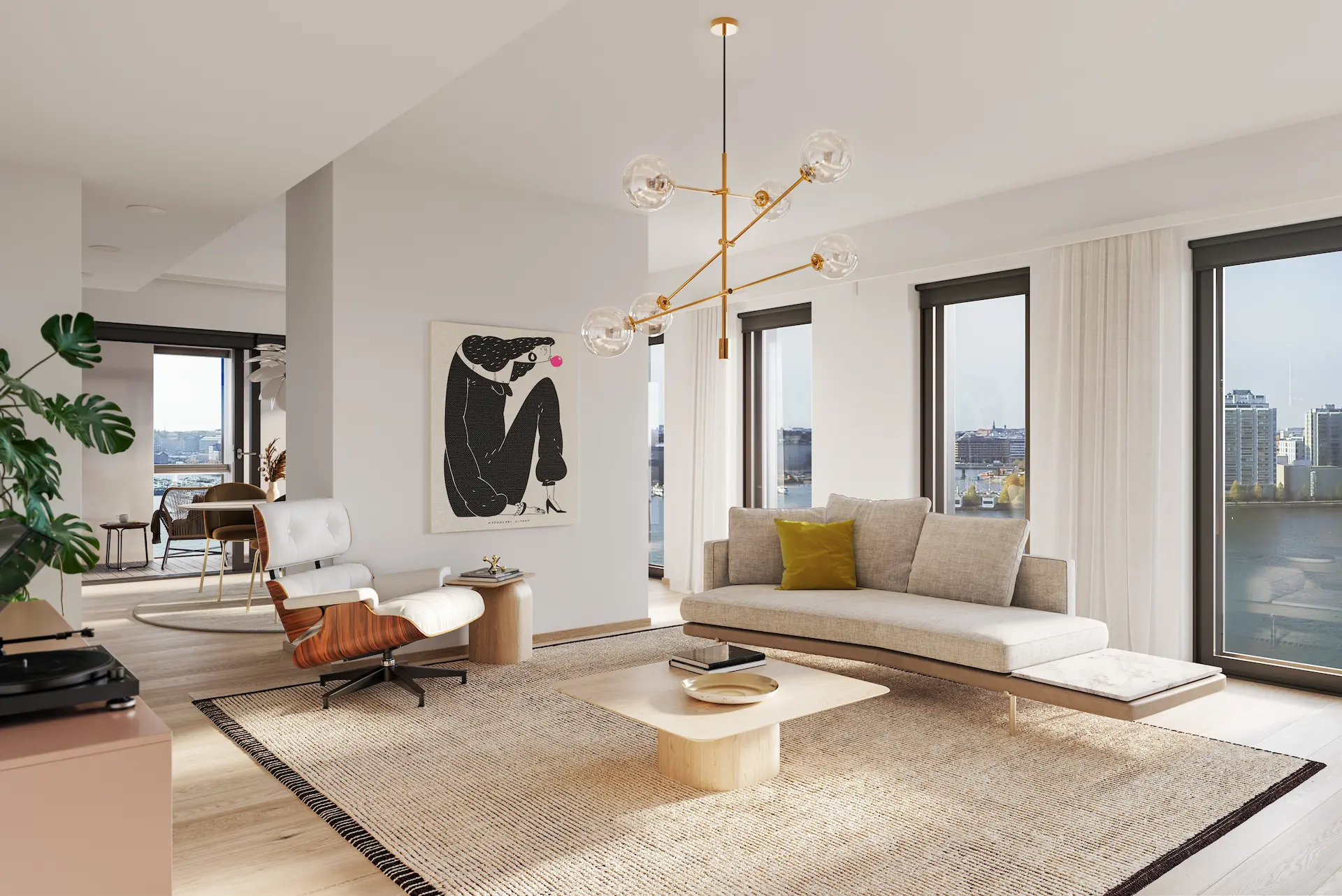
Finnish apartments are usually small and tightly planned, that’s the local norm, and what most Helsinki buyers expect. The units in this tower were built on a different scale: 38.5 m² up to 166 m², with proper dining-kitchens, full living rooms, separate bedrooms, and light coming in through floor-to-ceiling windows. Harbor view as the headline amenity.
The tower itself added another layer of complexity: although the floor plan structure repeated across levels, each floor needed to feel distinct, with its own interior design direction and atmosphere.
We worked through moodboard development with the client the way the building itself had been engineered: with obsessive attention to detail.
Finnish projects are unusually detail-sensitive. Switch position, radiator line, the look of the ventilation grille, these are not afterthoughts in this market, they are conditions of approval.
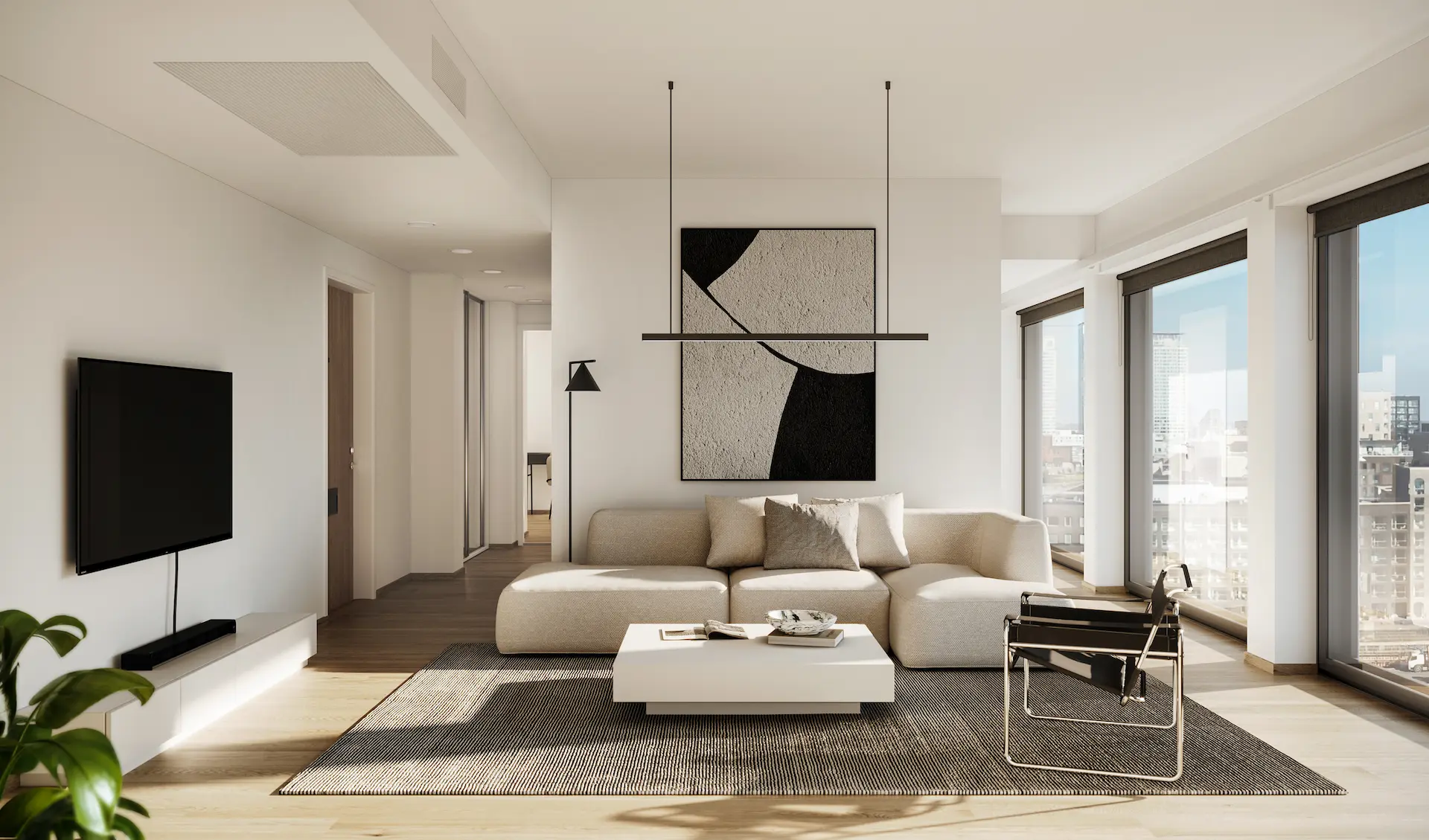
Eighteen frames doing the heavy lifting
We delivered 118 interior images in total, including stereoscopic VR renders, as well as 15 exterior CGI images of the building. The materials were also updated later in the project lifecycle as the development and sales needs evolved. An animation was created for the project as well.
Composed scenes were built around art on the walls, the harbor view anchoring every shot, and furniture sourced almost exclusively from Finnish design houses.
“Every piece of furniture is a typical Finnish brand. For them, it’s local patriotism,” as Petra, the project’s lead, put it. The same pieces appear in luxury New York apartments all the time. Most American buyers just don’t realize they’re sitting on Finnish design.
The job of this visual package was projection. A buyer at this tier looks at a frame and asks: do I see myself living here? Get the interior content right, and you’ve sold brand and emotion attached to a piece of real estate. Get it wrong, and you’ve been left behind in the city’s sales race with some expensive wallpaper.
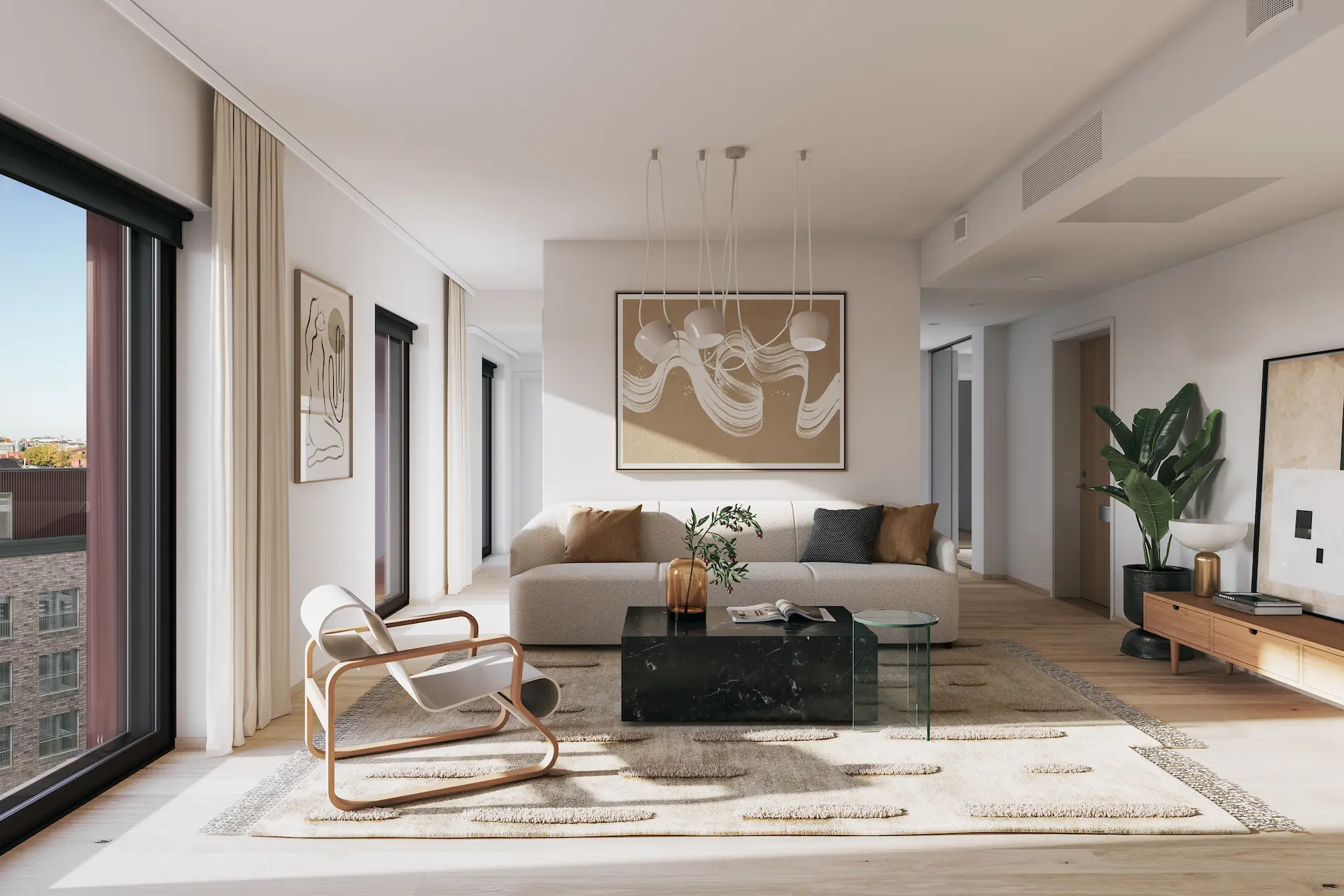
Competing on identity
The wider Finnish new-build market went quiet through 2023 and 2024. The conventional move in a softer cycle is to compete on price and accept a longer sales cycle. However, what works at the top of the market is to compete on identity. A buyer at this tier doesn’t optimize on cost-per-square-meter, they optimize on the long-term investment quality and future upside the address communicates.
Nihdin Torni was positioned as an exclusive residential address: close to central Helsinki, yet set apart as a quiet waterfront enclave beside the sea. Strong transport connections, privacy, calm surroundings, and open harbor views made the location one of the project’s strongest assets. The view was the final layer of value, not the only reason to believe in the address.
The architecture pedigree and the location quality brought buyers into the room. The interior imagery, VR content, animation, website, physical brochures, and digital communication were built to do the next job: supporting the consideration phase, communicating material quality, and giving buyers an emotional anchor for what life inside the tower would feel like.
Quality across the CGI, website, physical brochures, and digital communication put the asset on a higher shelf and separated the project from other options in the city at a time when both institutional and private investors were harder to find.